Home health nurses are no longer an afterthought when it comes to caring for the sick, surgically treated, or trauma patients. It has now progressed to be one of the major choices made by families since home health nursing provides personalized care and is extremely flexible to meet the needs of all.
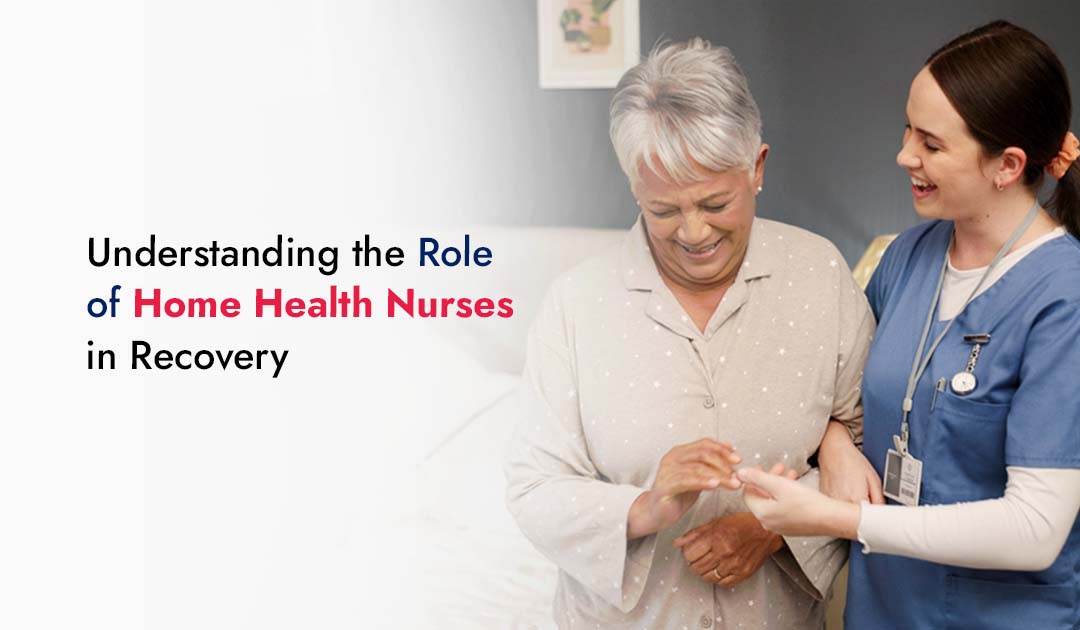
The home health nurses work to provide care in patients’ homes. Their work is designed to take care of multiple roles, such as administering medications, monitoring timing and dosage, dressing wounds, monitoring for infection, and monitoring vital signs and status. They are also efficient with assisting in general activities of daily functioning, such as feeding or bathing, for the patients who have difficulty performing these for themselves. Most importantly, home health nurses act as coordinators by communicating with physicians, therapists, and other health care providers, ensuring that care is efficient and everyone in the loop is aware of the patient’s health status.
One of the best things about home health nursing is its ability to adhere to personalized recovery plans suggested by healthcare professionals. Nurses start by taking into account the patient’s condition, home environment, and support system. A plan is then created that includes not just the physical recovery but also the emotional and psychological recovery of the patient. This is accomplished through rehabilitation and physiotherapy to complete return to mobility and strength, patient and family education in chronic disease management or medication regimen, and education in early warning signs of complications.
Spending time with patients and families, home health nurses build trust and encourage active involvement in healing. Emotional support is also a pillar of the home health nurse practice. Recovery is not just physical; the fight in the head is equally as tiring. Home health nurses provide companionship and listening support, which helps patients to cope with the fear, stress, and uncertainty of illness or surgery.
Frequent communication and contact enable them to become close to patients, providing encouragement and reassurance that can boost motivation and morale. Families are also empowered by the guidance and counseling nurses provide as they ride the emotional roller coaster of care. Education is also a pillar of the home health nurse practice. Nurses take the time to teach patients and caregivers the ins and outs of their disease, medication management, diet needs, and basic self-care. This focus on education empowers patients to feel better about doing for themselves at home, boosts compliance with treatment plans, and reduces the risk of complications. Educated patients in their care are more likely to recognize early warning signs and take early action, which further acts as a lifesaver in recovery.
Coordination and continuity of care are also of the utmost importance in the home health nurse practice. As a patient advocate, intermediary to their families, and colleague to the rest of the medical team, nurses daily confer with physicians, therapists, and other specialists to discuss plans of care and make them realizable to the changing needs of the patient. Nurses coordinate other therapies, such as physical therapy or social work, as ordered. The home health nurses are trained to adapt care to the way of life and preference of each patient, therefore making recuperation easier.
Several patient and family anecdotes verify the dramatic difference the home health nurse can make. Most report that they feel safer, more secure, and better cared for as a result of frequent visits by the nurse and expert consultation. Families feel confident and reassured in knowing that a professional caregiver is in charge of the recuperation of their loved one and is available to step in when the need arises. Simply put, home health nurses are priceless assets to the recuperation process. Their holistic care, empathy, and professionalism will address patients’ healing needs but also enable individuals and families to become responsible for their health. Through the provision of one-on-one care, emotional support, education, and care coordination, home health nurses provide home recovery that is as safe, effective, and patient-centered as possible.