The healthcare landscape is changing, and it’s shifting closer to home. With increasing medical expenses, hospital congestion, and an older population, families are selecting home care solutions to care for their family members. This change is not just about accessibility or even affordability; it is about giving back comfort, dignity, and independence to those in need of care. Home care is the act of receiving personalized, compassionate medical and non-medical support, from the comfort of home. Let’s take a moment to consider why home care is reinventing itself as the home of the future of healthcare, and how it is changing the ways we heal, recover, and live.
1. Comfort Starts at Home
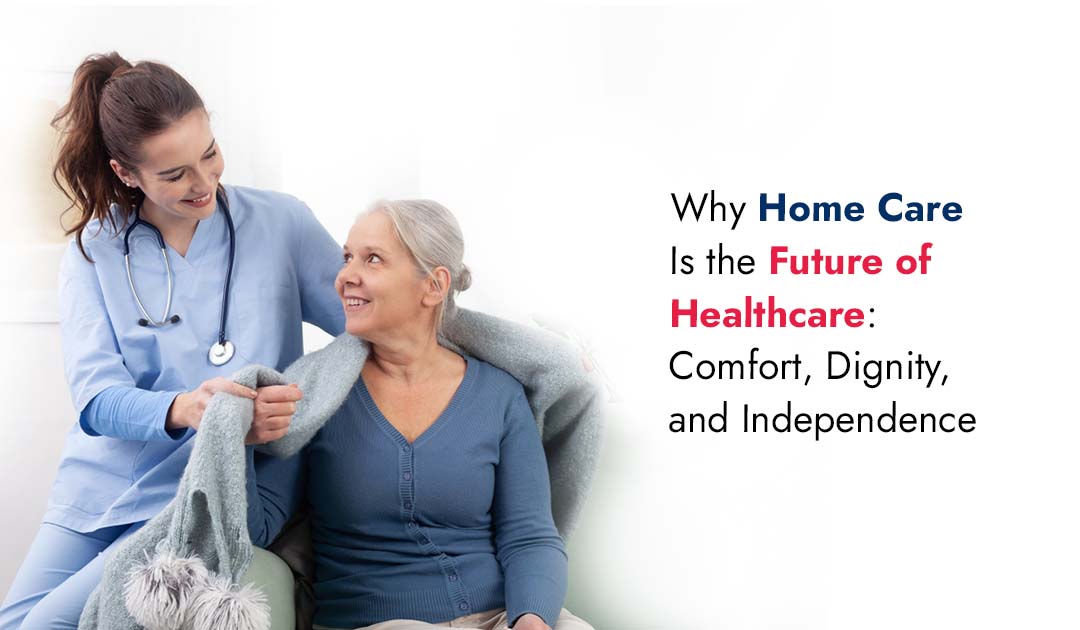
Whether a patient is recovering from an illness or an elective surgery, they are likely to heal quicker in the comfort of home in a familiar setting. Medical facilities can feel sterile and stressful, while home care denotes emotional warmth and connection to belonging.
Home caregivers or home nurses provide the necessary professional medical support while allowing patients to remain close to family and friends and maintain their daily structure. This all factors into lowering anxiety, improving rest, and enhancing emotional well-being, all important variables in recovery.
2. Individualized Service for Each Individual
In healthcare institutions, one nurse is responsible for more than one patient. At home, care is fully individualized. Each person is unique; they have different schedules for medications, nutrition is unique to the individual, emotional comfort is unique and the amount of assistance or mobility will vary from person to person.
Care plans for home care are individualized for each person receiving care and their health condition is considered to make sure each person receives the right care at the right time. For example:
- Care following surgery and wound care
- Physio-therapy (A service that supports those who have had strokes or other debilitating illness) and rehab
- Personal support for elderly or companionship for those living on their own.
- Assistance with chronic illnesses – i.e. diabetes, congestive heart failure, and allow others to support the loved one.
Individualized service also means there is better communication, trust, and a stronger emotional connection between the service provider and the person receiving service.
3. Maintaining Dignity Through Caring Support
One of the biggest challenges for our elderly or dependent patients is the loss of dignity. Relying on someone else to help with daily activities e.g., to bathe, to dress, or eat is an uncomfortable experience, especially while in a hospital or an institutional setting.
Care at home is private, respectful, and compassionate for the elderly and other (dependent) patients allowing for dignity to be maintained while receiving care. Trained professionals to provide care are not just care providers, they understand the emotions and personal aspects of care.
This type of respectful process honors the self-esteem and emotional resilience of the patient in care.
4. Encouraging Independence and Confidence
Home care allows people to stay active and independent according to their abilities. Walking around the house, engaging in hobbies, making small decisions every day: home care promotes the quality of life that the patient sets.
Ultimately, when people are cared for in a home care setting, they have a sense of control and comfort, because caregivers will only intervene when needed. This independence not only impacts mental health but can lead to more rapid recoveries and a better quality of life.
5. Cost-Effective and Convenient
There is no question that hospital stays can be costly. While long-term or chronic conditions may require hospitalization, home care offers a less expensive alternative throughout the continuum of care, while still delivering high quality services. Home care allows family members to discontinue care or receive services, based on their circumstances. The patient will only pay for services, which may be a few hours of service daily or full-time nursing care.
Finding family members to visit their relatives, or taking extra vacations, is less expensive than hospital travel expenses or meals for families living nearby and supporting a patient. In addition, home care services are flexible and can change daily as the patient progresses in their health.
6. Prevention of Hospital Readmission
Often, patients leaving the hospital, especially older adults, are at risk of returning to the hospital because the hiring of home care was not properly addressed during the hospital talking about care at home. Home care is the best way to prevent this from happening, because home care will provide regular monitoring, administering timely medications, monitoring their routine, and will be able to professionally oversee their care.
Home nurses and caregivers watch for issues, so complications can be addressed early, avoiding urgent situations. This continuum of care helps patients recover, as well as enjoy relief for family caregivers.
7. Emotional Support for Families
Caring for a loved one can be emotionally and physically draining, and home care supports families, families can enjoy time with their loved one, rather than tending to them.
Professional caregivers become part of the family, providing safety, companionship, and consistent care for the patient when their family is unavailable.
8. Innovative Home Care: The Future is Here
Today’s home care is more than just someone to help. It includes the use of technology. Today, telehealth consultations, remote monitoring devices, and digital/remote health reports can be using technology to provide continuous care and dynamic data on patient care and health.
Patients can consult their doctors online, track vitals, and receive informative and personalized health measures, all in the comfort of home. Because of this use of human care and smart technology, a new healthcare experience has been created.
Conclusion
The outlook on the future of health care is compassionate, patient-centered, and home-based. Home care promotes the ability to live comfortably, with dignity and independence, while easing the emotional and financial burden of families. At Florence Home Care, we believe care starts at home. This is the natural domain for love, safety, and healing. Our trained caregivers, nurses, and physiotherapists specialize in delivering personal home care services, meeting each and every need.