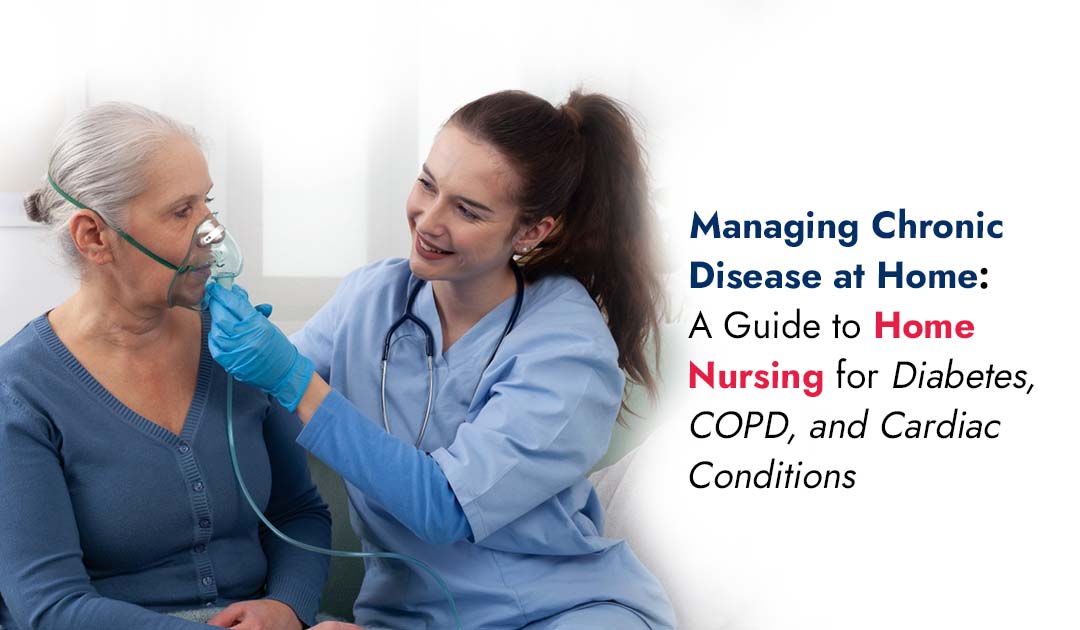
People living with chronic diseases, such as Diabetes, Chronic Obstructive Pulmonary Disease (COPD), or heart disease may need ongoing care, supervision, monitoring, and changes in their lifestyle. Hospital visits are necessary, but home environments provide a comfort level that is just as essential to recovery and long-term management of disease. Home nursing care will share the burden of professional medical care and treatment at home, where patients feel safe.
In this blog, we will discuss how home services manage the complexities of chronic diseases and improve the quality of life of the patient and their families.
What are Chronic Diseases, and Why is Home-Based Care Needed?
Chronic diseases are long-term health problems that require care and attention from a medical professional, as well as self-management. These are clearly different from acute diseases that have the potential to occur and resolve within a short period of time; chronic diseases will likely affect the person’s daily living. The World Health Organization (WHO) indicates that cardiovascular disease, diabetes, and respiratory diseases are among the leading causes of death worldwide.
Individuals with chronic diseases often require:
- Monitoring of vital signs and symptoms regularly
- Medication to manage or prevent complications
- Lifestyle support including diet, exercise, and emotional and mental health
- Reassurance of continuity of care in a familiar environment
Home Nursing for Diabetic Management
Managing diabetes is a very precise process that involves monitoring the blood sugar, medications, and general lifestyle. Home nursing is an essential part of that for routine and safe management.
Ways Home Nurses Assist:
- Monitoring Blood Sugar: Nurses assist patients in testing blood sugar and determining patterns or fluctuations.
- Insulin Administration: Nurses help patients take insulin properly, and also teach them to do it themselves.
- Diet: Home nurses often organize a diabetic diet along with the dietitian for the patient.
- Foot and Wound Care: Small wounds can become problematic for a diabetic patient, and early recognition and treatment of pan ulcers or infections are important.
- Education and Encouragement: Ongoing education provides support that is continual. This way patients can be more disciplined with diet, exercise, and medication.
Advantages:
- Risk of diabetic diet complications is removed.
- Patients are more independent and confident in their self-care.
- Readmissions to hospitals are avoided.
Home Nursing for COPD and Respiratory Problems
Chronic obstructive pulmonary disease (COPD) is a steadily progressive disease of the lung pathophysiology which limits the ability to breath. This requires management of care and lifestyle to be a continuous process of medical attention. All this can be provided healthily and successfully in the home.
Home Nursing Role:
- Oxygen Therapy Management: Nurses manage door supplies of oxygen and monitor it for safe operation.
- Inhaler/Nebulizer Education: Nurses teach patients how to use inhalers to correct and teach nebulizers.
- Monitoring Symptoms: Routine checks of respiratory rates, oxygen performance, and signs of infection can allow for early intervention.
- Chest Physiotherapy: Specialized exercises and other techniques facilitate mucous clearance and improve lung function.
- Lifestyle Coaching: Education and support related to smoking cessation, air quality maintenance, and light exercises each support slowing down disease escalation.
Benefits:
- Fewer emergency hospital visits
- More comfort in breathing and endurance
- Better adherence to treatment plan
Home Nursing for Cardiac Conditions
Heart conditions associated with heart disease such as heart failure, hypertension, and/or recovering after cardiac surgery require close monitoring and support to prevent re-hospitalizations. Home nursing provides a caring method of caring for patients with heart conditions in a less stressful setting.
How Home Nurses Support People with Heart Disease:
- Monitoring Vital Signs: Monitoring the patient’s blood pressure, heart rate, and oxygen levels on a regular basis can allow for early identification of warning signs.
- Medication and Diet: Nurses can document that medications are taken on time and the diet is followed.
- Rehabilitation: Gentle physio and post-surgery exercises can support function and overall strength.
- Emergency Preparedness: A home nurse can recognize early signs of heart distress as well as provide education to family on the early warning signs.
- Family Support: They can educate caregivers on how to effectively support the patient.
Benefits:
- Improved recovery post hospitalization
- Reduced risk of no addressable emergent health issues
- Less stress for the patient and the family.
What Makes Professional Home Nursing Services Desirable?
Home nursing is more than just convenience; it’s providing all-encompassing medical treatment in the comfort of your own home. Below, we discuss the growing popularity of home care for patients with chronic illnesses:
- Personal attention: Each patient’s care plan is catered to that patient’s medical history and life.
- Continuity of care: Nurses work with doctors and specialists to help ensure communication.
- Mental wellness: Being at home reduces anxiety/stress and enhances mental health recovery.
- Cost efficiencies: Regular visits from nurses reduce long-term hospital costs by preventing numerous hospital admissions.
Tips for Managing Chronic Disease at Home
- Be consistent with your medications: Set reminders and maintain a daily routine.
- Monitor vital signs: Track your blood pressure, blood sugar, oxygen levels, and overall body stats.
- Eat healthy: Focus on a diet composed of whole grains, lean protein, fruits, and vegetables.
- Exercise to improve endurance and heart health: Light exercises under the supervision of a medical professional can easily improve your stamina and heart health.
- Avoid things that trigger your situation: Figure out if there are any environmental or food triggers that affect your condition and remove them.
- Schedule check-ins or office visits regularly: This affords some insurance for your treatment plan to stay on track.
Conclusion
Living with a chronic condition is a lifelong journey, and while it may feel overwhelming sometimes, it doesn’t have to be. Patients who live with a condition such as diabetes, COPD, or cardiac disease want to manage their health with some possible comfort and safety, and the right home nursing care can help. The trained professional home nurse provides hospital-quality nursing care in your home, and with that familiarity comes compassion and attention to each breath, heartbeat, and action taken in recovering and living with a chronic disease. Chronic disease management is not only about surviving but living well at home, even while managing a chronic disease.