
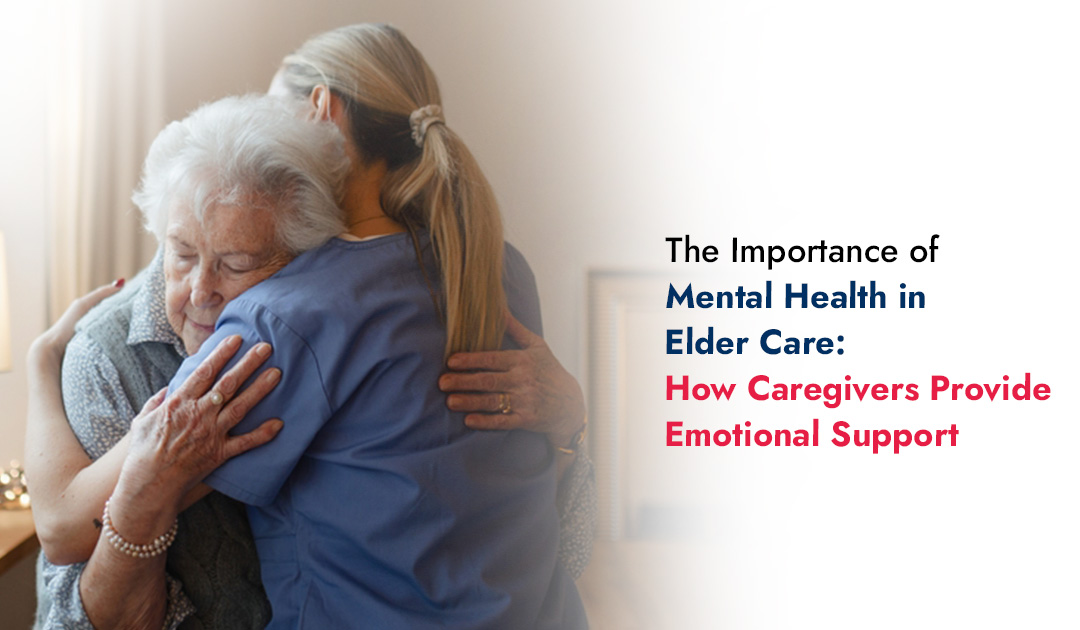
As people age, health conversations usually focus on medications, chronic illnesses, joint pain, dementia, mobility challenges, or physical nursing needs. But one aspect often overlooked, yet equally important, is mental and emotional wellbeing. Elderly adults go through enormous changes in their later years, including retirement, loss of independence, loneliness, reduced social interaction, and fear about health and the future. All of this affects mental health deeply.
This is where caregivers make a meaningful difference. Whether they are family members, trained attendants, or home healthcare professionals, caregivers provide more than basic assistance, they offer companionship, emotional support, and a sense of security that seniors need to feel connected and valued.
In this blog, let’s explore the importance of mental health in elder care and how caregivers contribute to emotional wellbeing every single day.
Understanding Mental Health Challenges in Older Adults
Ageing brings natural physical changes, but emotional changes can be more complicated and harder to identify. Many elderly people face:
- loneliness
- depression
- anxiety
- fear of burdening others
- memory loss
- feelings of isolation
- grief after losing a spouse or friends
These emotions are real and often silent. The challenge is that seniors might not express their emotional struggles openly. Many were raised in times when mental health wasn’t discussed publicly, so they may choose to “just deal with it.” Caregivers become critical observers here, they notice changes, moods, patterns, or behaviours that family members may miss.
Why Emotional Support Matters
Good emotional health improves overall wellbeing. When seniors feel emotionally supported, they are more likely to:
- engage actively in conversations
- participate in daily activities
- eat and sleep better
- follow medical routines more willingly
- feel connected to life again
Mental health also affects physical health, loneliness and depression can increase fatigue, worsen chronic disease symptoms, and even slow recovery. This is why caregivers play such a vital role in everyday interaction, even outside medical tasks.
The Role of Caregivers in Supporting Mental Health
Caregivers do much more than assist with medication or mobility. They provide encouragement, reassurance, and meaningful companionship.
1. Creating emotional connection
Small interactions, talking during meals, asking about childhood memories, discussing hobbies, help seniors feel heard and understood. Simple conversation can prevent emotional withdrawal and loneliness.
2. Encouraging activities
Caregivers motivate elders to stay engaged, whether through:
- music
- light exercise
- hobbies
- gardening
- reading
- games
Mental stimulation helps maintain cognitive strength and protects against depression or memory decline.
3. Helping maintain independence
Nothing affects confidence more than losing independence. A caregiver supporting daily activities respectfully, rather than taking over completely, helps seniors feel capable and in control.
4. Reducing loneliness
Many older adults stay indoors or live away from family. Just having someone to sit with, share tea, or discuss daily thoughts brings comfort. Companionship is a form of therapy.
Recognizing Signs of Emotional Decline
Seniors don’t always say “I’m depressed.” Instead, emotions show subtly. Caregivers look out for:
- reduced interest in hobbies
- irritability
- withdrawal from conversations
- poor appetite
- sleeplessness
- increased confusion
- neglecting personal hygiene
Early recognition allows families and doctors to intervene before the situation worsens.
Creating a Supportive Environment
A calm, respectful, and positive environment helps seniors stay emotionally grounded. Caregivers encourage:
- gentle routines
- healthy meals
- comfortable surroundings
- open conversation
- opportunities for social interaction
Even small adjustments, like listening to favourite music or maintaining familiar habits, can make seniors feel emotionally safe.
Family Involvement Still Matters
While professional caregivers play an essential role, family participation strengthens mental wellbeing further. Seniors feel happiest when:
- they are included in family conversations
- children or grandchildren visit regularly
- they feel their presence matters
Phone calls, video check-ins, or occasional outings can make a huge difference.
The Human Side of Caregiving
At its core, caregiving is emotional work. It requires compassion, patience, empathy, and understanding. Caregivers reassure seniors that they are not alone, not forgotten, and not a burden. They provide gentle reminders that life still has meaning, no matter the age.
This emotional connection builds trust and helps elders feel supported through every stage of ageing.
Conclusion
Mental health is an essential part of elder care, just as important as medications or physical support. When caregivers provide emotional companionship and understanding, they help seniors live healthier, happier, and more connected lives.
Ageing doesn’t have to be lonely. With empathy, presence, and compassionate caregiving, older adults can experience their golden years with dignity, joy, and emotional comfort.