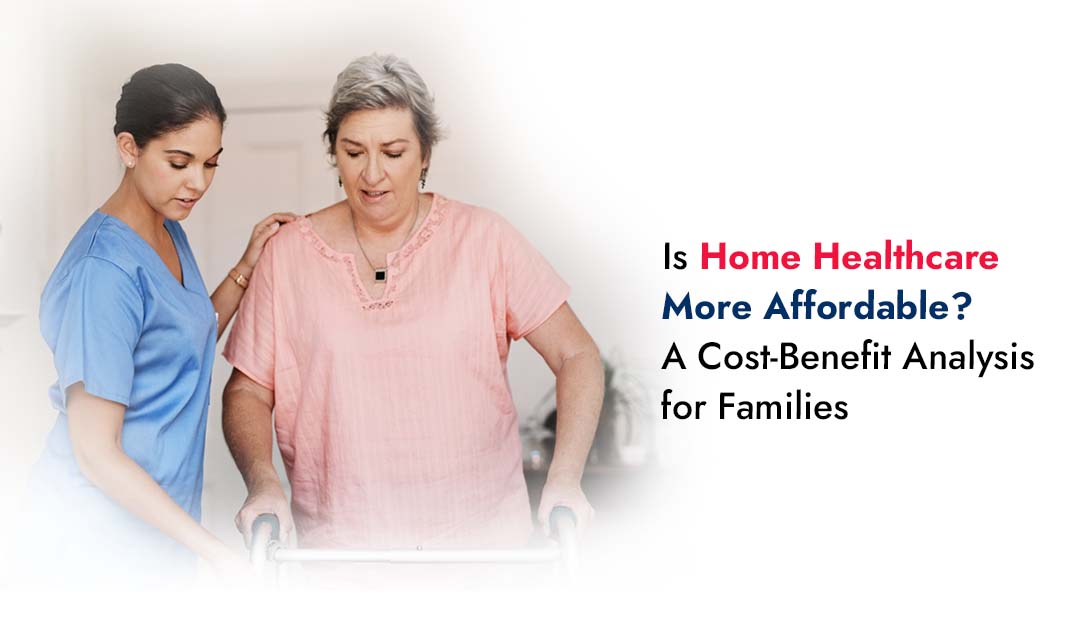
As medical needs grow with age, chronic illness, or recovery after surgery, many families find themselves asking an important question: Is home healthcare affordable? With rising hospital expenses, long-term care costs, and the emotional burden of institutional care, home healthcare has emerged as a preferred option for many households. But is it truly cost-effective, or does the convenience come with a higher price tag?
In this blog, we explore a practical cost-benefit analysis to help families make an informed decision.
Understanding Home Healthcare
Home healthcare refers to clinical and supportive care delivered at home, ranging from basic nursing and physiotherapy to advanced services like wound care, postoperative monitoring, chronic disease management, and elderly assistance. It bridges the gap between hospital care and self-care, allowing patients to heal in a familiar and comfortable environment.
Over the past few years, more people are turning toward home healthcare not just for convenience but for financial reasons. This has led to a growing debate: is home healthcare affordable for the average family today?
The Cost Benefits of Home Healthcare
1. Reduced Hospital Expenses
A major advantage of home healthcare is the significant reduction in hospital bills. Extended hospital stays can be extremely expensive due to room charges, monitoring fees, and additional services. When care is provided at home, families can avoid these costs while still ensuring professional medical supervision.
For patients who need weeks or months of recovery, such as those with stroke, orthopaedic injuries, or post-surgery needs, home healthcare often turns out to be far more economical than prolonged hospitalization.
2. Lower Risk of Readmissions
Complications and infections acquired in hospitals can lead to readmissions, adding to both cost and stress. Home healthcare offers personalised attention, timely medication, continuous monitoring, and early detection of health concerns. This proactive approach helps reduce hospital readmission rates, a long-term financial advantage for families.
3. Customised Care = Better Value
Home healthcare services can be customised based on how much care a patient actually needs, whether it’s 2 hours of nursing assistance or 12 hours of critical monitoring. Families pay only for what they use, unlike hospital settings where charges are bundled into fixed packages.
This flexibility is one of the strongest reasons why families find home healthcare more affordable and manageable over time.
4. Savings on Travel and Time
Frequent hospital visits can be both financially and mentally draining. Transportation costs, waiting time, and lost work hours add up quickly. Home healthcare eliminates unnecessary travel, especially for elderly or bedridden patients. The convenience of receiving medical care at home indirectly cuts costs and eases family routines.
Comparing Costs: Home Healthcare vs. Institutional Care
To understand truly is home healthcare affordable, it helps to compare it with other long-term care options:
Nursing Homes
Nursing home care is typically expensive because it includes accommodation, staff, meals, utilities, and administrative charges. Even mid-range facilities can become unaffordable for families over long durations.
Assisted Living Facilities
These work well for patients who do not require round-the-clock medical care but still need assistance with daily activities. However, the monthly fees, covering rent, meals, and extra services, can escalate depending on the level of support required.
Home Healthcare
Home healthcare often costs less because:
- You pay for services, not accommodation
- Care is personalised
- No additional facility charges
- Family can supplement care to reduce costs
For many families, this makes home healthcare a financially practical alternative while still ensuring high-quality care.
Non-Financial Benefits That Add Value
1. Emotional Comfort and Faster Recovery
Patients often heal better in familiar surroundings. Being close to family, maintaining routines, and having a sense of independence contribute to improved emotional well-being, and better recovery outcomes.
2. Family Involvement
Loved ones can stay involved in daily care, which is not always possible in hospitals or care facilities. This improves satisfaction for both the patient and the family.
3. Personalised Attention
Home healthcare professionals often handle fewer patients at a time, providing dedicated time, attention, and monitoring, something that may not always be possible in busy hospitals.
These benefits may not have a direct monetary value, but they greatly influence quality of life and overall satisfaction.
When Home Healthcare May Not Be the Most Affordable Option
While home healthcare is cost-effective in many scenarios, it may not always be the cheapest option. Here are cases where expenses may increase:
- Need for 24×7 critical nursing care
- Requirement of specialised equipment at home
- Homes unsuitable for medical equipment setup
- Need for multiple specialists regularly
In such cases, home healthcare may still offer emotional and comfort benefits, but families must evaluate whether the cost aligns with their budget.
So, Is Home Healthcare Affordable for Most Families?
The answer depends on the patient’s medical needs, budget, and lifestyle. However, for a large majority of families, home healthcare is more affordable than long-term hospitalization or institutional care. It offers flexibility, personalised services, reduced hospital costs, and emotional comfort, all at a price that can be scaled to fit different needs.
When correctly planned, home healthcare provides the perfect balance of quality, safety, comfort, and affordability.
Conclusion
If you’ve ever wondered if home healthcare is affordable, the overall cost-benefit analysis strongly leans toward “yes” for many families. With rising healthcare expenses and increasing preference for in-home recovery, home healthcare has become a smart, practical, and compassionate choice.
Choosing the right home healthcare provider ensures that your loved ones receive professional care, without overwhelming financial strain. It’s not just about affordability; it’s about dignity, comfort, and better healing at home.